
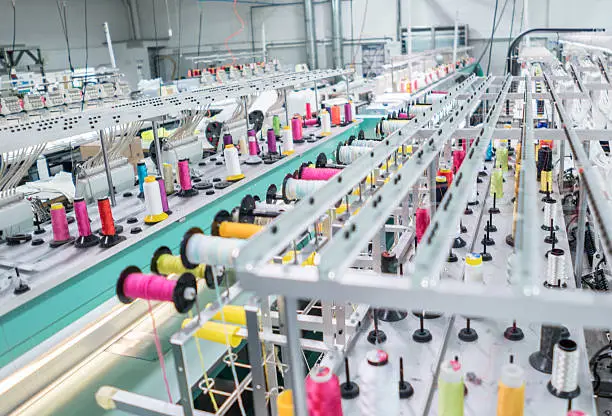
How to start with apparel manufacturing? You can picture the hoodie, the stitching, the way it fits at the shoulders. That part is easy. What’s harder is understanding how that idea turns into 300 finished pieces in labeled cartons, ready to ship. Most brands I talk to hit the same wall. They start reaching out to factories and suddenly everything feels like a gamble. One shop promises low minimums but won’t explain their sampling process. Another has great pricing but takes two weeks to answer a simple question. You start comparing quotes without really knowing what you’re comparing.
This isn’t a ranking of “best manufacturers.” It’s not about print-on-demand or flipping blanks with your logo on them. This is for brands trying to build original product from scratch. I’m going to walk through what actually happens in production, step by step. If you’ve already had a bad run, or you’re stuck halfway through development, some of this will probably feel familiar.
Why Most Brands Get Stuck Before Apparel Manufacturing Even Starts
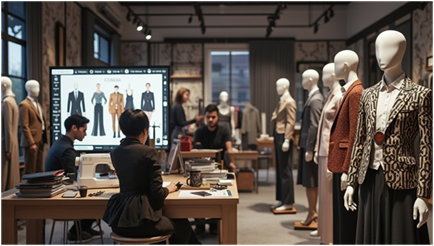
Having a design does not mean you’re ready to manufacture. A sketch, even a polished one, is just a starting point. A factory can’t build off a vibe. Before they can quote you properly, they need specifics. Fabric type and weight. Construction details. Stitch types. Trim choices. Size breakdown. Target quantities. If those pieces aren’t defined, the factory either guesses or keeps asking questions. Both slow everything down.
The gap between “I have an idea” and “I have a production-ready concept” is usually a stack of decisions that haven’t been made yet. Brands skip past that because it feels less exciting than design. Then they spend months going back and forth with manufacturers over issues that should have been settled internally.
This is where the tech pack comes in. Not as paperwork for the sake of paperwork, but as a working document. Measurements, tolerances, fabric specs, labeling placement, construction notes. When it’s missing or half-done, every later stage gets messy. Sampling drags. Quotes change. Bulk production surprises you in ways that aren’t fun. Most early frustration isn’t about bad factories. It’s about walking in unprepared and expecting the factory to figure it out for you.
What “Full-Service” Actually Means vs What It Should Mean
“Full-service” gets used loosely. Sometimes it just means the manufacturer can handle cutting and sewing in-house. Other times it’s supposed to mean they guide the entire process, from development through bulk. There’s a difference between a factory that executes steps and one that owns the process. If you’re sourcing your own fabric, managing pattern corrections yourself, coordinating trims separately, and only sending finished components to be sewn, that’s not really full-service.
That’s CMT with extra coordination on your side. True full-service usually includes material sourcing support, pattern development, sampling management, and production planning under one roof or one clear chain of control. It doesn’t mean you disappear and they magically handle everything. It means fewer moving parts for you to manage. When a manufacturer says they “handle everything,” you need to ask what that actually includes.
Who sources the fabric? Who approves lab dips? Who manages size grading? Who tracks quality control during bulk? If those answers are vague, the workload probably shifts back to you. Arcus Apparel Group’s model leans toward owning the process internally. Development, sourcing, and production are coordinated rather than fragmented. For a brand, that means you’re not juggling five separate vendors and hoping they communicate with each other. You still make decisions, but you’re not forced into project manager mode every time something changes.
The Step No One Talks About — Sampling and Why It Decides Everything
Once development is in place, sampling is where reality shows up. A sample is not a ceremonial step before bulk. It’s the first time your idea has to behave like a real garment. The fabric stretches differently than you imagined. The neckline that looked sharp on paper sits awkwardly once it’s sewn. This is where fit issues surface. It’s also where fabric choices prove themselves or fall apart. A knit that felt perfect in a swatch can start twisting after washing. A seam finish that looked clean in photos can feel bulky on the body. If those problems don’t get caught here, they go straight into production.
Brands sometimes rush this stage because they’re eager to launch. They approve a sample with notes like “good enough” or “we’ll fix that later.” There is no later once bulk is cut. If you move into production with unresolved issues, you’re committing to hundreds of units with the same flaw. Feedback during sampling needs to be specific. Not “make it better.” More like adjusting a quarter inch at the waist, tightening rib tension, changing stitch density. You have to be involved.
A manufacturer can guide you, but they can’t guess what you’ll accept in the market you’re targeting. You can usually tell how seriously a manufacturer takes sampling by how they respond to revisions. Some push to move forward quickly. Others slow the process down when something feels off. The ones who care about getting the sample right tend to save you from bigger headaches later.
The MOQ Problem Is Not What You Think It Is
A lot of new brands assume every factory demands massive minimums. That used to be more common. It’s not universal now. Low MOQ production exists, especially for brands in early stages. It lets you test without betting everything on one run. You can produce 100 or 200 pieces, see how they move, gather real feedback, then adjust.
Smaller runs usually mean higher per-unit cost. Sometimes it means tighter production windows or fewer fabric options. You gain flexibility, but you don’t get the same economies of scale. Small batches expose whether your product actually works. You see how sizing performs across customers.
As your order volume grows, the conversation with your apparel manufacturer changes. Pricing shifts. Lead times shift. You have to plan more carefully. What felt informal at 150 units starts to require structure at 1,500.
Choosing on Price Is the Mistake That Costs the Most
Price is easy to compare. Two quotes on a spreadsheet look clean. One is lower. It feels logical. What’s harder to see is what’s behind that number. Cheaper pricing can mean lower-grade fabric, rushed sampling, minimal quality control, or inexperienced operators on the line. None of that shows up clearly in the quote itself. The real damage usually appears after production. Seams start popping. Garments shrink unevenly. Customers return pieces because the fit isn’t consistent. Fixing those problems costs more than the difference you saved upfront.
Paying slightly more doesn’t guarantee perfection. It makes a stable process more likely. When you evaluate a manufacturer, don’t stop at the price. Ask how they handle defects and who checks finished goods before they ship. “Made in USA” gets thrown around as a shortcut for quality. It can mean shorter lead times and easier communication. It doesn’t automatically mean better construction. Domestic or overseas matters less than how the process is actually handled.
What the Ongoing Relationship With a Apparel Manufacturer Actually Looks Like
Finding a manufacturer feels like a milestone. It isn’t the finish line. Consistency across orders takes work on both sides. You need to maintain updated tech packs. You need to track revisions. If you change fabric or trims, those changes have to be documented clearly. Otherwise, the next production run drifts. Quality control doesn’t stop after one successful batch. Each run needs oversight. Measurements should be spot-checked. Finished goods should be inspected against agreed standards. Complacency creeps in quietly.
Brands that scale well usually treat their apparel manufacturer as a long-term partner, not just a vendor they email when they need more units. They communicate early about forecast changes. They share sales feedback. They plan capacity ahead of big launches. Over time, the right custom apparel manufacturers start understanding your standards without you repeating them every season. That comes from being deliberate about how you work together.


There is a lot involved with clothing manufacturing! I think that’s why I prefer just to sell for someone else. Thanks for all this info.
https://www.kathrineeldridge.com
Author
Thank you Kathrine!
I cannot imagine the amount of capital it takes to get this done. I’ll just keep buying and not selling!
https://marshainthemiddle.com/
Author
Haha, well someone has too.